
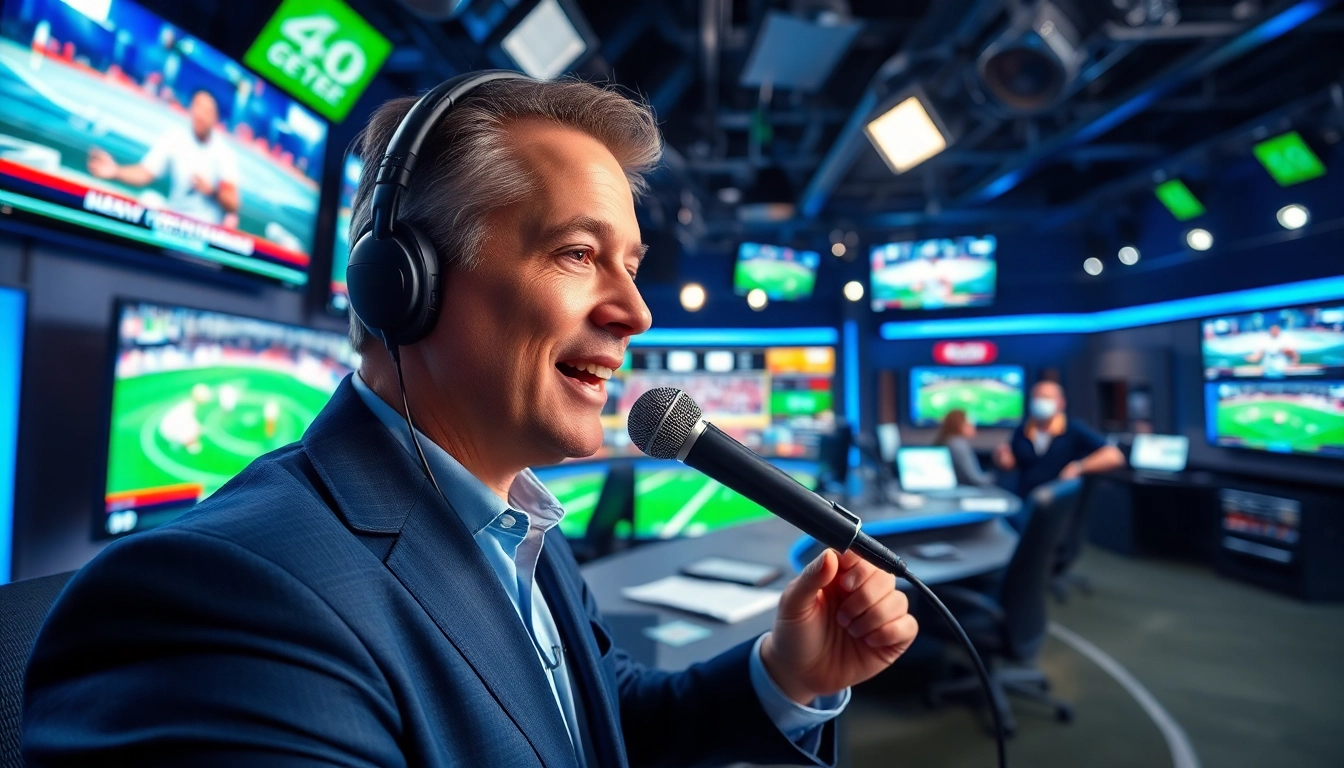
Understanding Sports Broadcasting
Definition and Importance of Sports Broadcasting
Sports Broadcasting refers to the real-time transmission of sporting events through platforms such as television, radio, or online streaming services. This crucial sector not only entertains millions but also informs fans with up-to-the-minute analysis and highlights. The importance of Sports Broadcasting extends beyond mere entertainment; it fosters a community among fans, enhances sports marketing, and provides athletes and stakeholders with exposure and recognition.
Historical Evolution of Sports Broadcasting
The journey of Sports Broadcasting began in the early 20th century, starting with radio broadcasts that allowed sports enthusiasts to follow events live. The advent of television in the 1950s revolutionized the industry, making sports more accessible to the masses. Over the decades, we have witnessed transitions from black-and-white broadcasts to color transmissions, and now to high-definition formats and on-demand streaming. Each of these milestones defined the way audiences interacted with sports, shaping their viewing experiences and expectations.
Key Technologies in Sports Broadcasting
Technological advancements play a crucial role in Sports Broadcasting. Multi-camera setups are now standard, allowing for diverse angles and immersive experiences. Graphics systems that provide live statistics enrich the viewing experience, while innovations like drones and remote-controlled cameras enable coverage from unique perspectives. Moreover, the implementation of real-time analytics and augmented reality features further engages viewers, creating rich and interactive content.
Essential Components of Sports Broadcasting
Role of Commentators in Sports Broadcasting
Commentators serve as the voice of Sports Broadcasting, providing play-by-play narration and expert analysis. Their role transcends mere description; they embellish the experience with anecdotes, player statistics, and professional insights. A skilled commentator encapsulates the essence of the game, engages with the audience, and enhances the excitement through their delivery. Furthermore, today’s commentators often interact with fans through social media platforms, adding another layer of engagement.
Camera Work and Production Techniques
Camera work in Sports Broadcasting is a complex yet fascinating element. Technicians use various techniques, including slow-motion replays, aerial views, and close-ups, to capture the action intensely. High-definition cameras and 360-degree setups have become commonplace. Additionally, innovative production techniques such as virtual graphics and interactive overlays allow for a more in-depth analysis of plays. To ensure fluidity and coherence, production teams work hard to coordinate camera movements and shots with the commentary, providing an enriched viewer experience.
Post-Production in Sports Broadcasting
Post-production is where the magic continues, even after the event has ended. Editing involves assembling footage into a coherent narrative that highlights key moments, emotion, and action. Advanced software tools are used to integrate graphics, sound, and analysis, ensuring that the final product meets high broadcasting standards. Post-production also includes creating highlights packages for distribution across various channels, maximizing viewer engagement and serving fans who may have missed the live event.
Challenges in Sports Broadcasting
Balancing Entertainment and Sports Coverage
One of the significant challenges in Sports Broadcasting is maintaining the balance between thorough sports coverage and entertainment. While fans desire accurate, in-depth play analysis, broadcasters often feel the pressure to include engaging segments that entertain diverse audience segments. Striking this balance is critical for broadcasters aiming to retain viewership and engage apathetic fans while promoting the sport at its core.
Legal and Copyright Issues
Legal and copyright issues remain a considerable challenge within Sports Broadcasting. Rights holders, often leagues or teams, are protective of their content, creating extensive licensing agreements that broadcasters must navigate. Additionally, digital platforms face the added complexity of ensuring compliance with international broadcasting laws. Understanding these legal frameworks is essential for any broadcaster to avoid potential disputes and fines.
Adapting to Changing Viewer Preferences
The rapid evolution of technology and social trends makes adapting to changing viewer preferences essential. Audiences now demand on-demand content and personalized viewing experiences. Broadcasters must leverage analytics to understand viewer habits and preferences, subsequently adapting their content delivery methods and engagement strategies to stay relevant in a competitive market.
Innovative Strategies for Engaging Audiences
Using Social Media for Sports Broadcasting
Social media platforms are a powerful tool for Sports Broadcasting. They allow broadcasters to engage directly with audiences, provide behind-the-scenes looks, and promote live interactions. By sharing highlights, polls, and engaging content, broadcasters turn passive viewers into active participants, enhancing loyalty to channels and platforms. The agility of social media allows real-time engagement with fans, fostering a sense of community and connectedness around events.
Interactive Features in Sports Broadcasting
Interactive features are becoming increasingly popular in Sports Broadcasting. Tools like viewer polls, live chats, and interactive graphics allow fans to engage deeply with the content. Broadcasters can create experiences, such as virtual reality (VR) and augmented reality (AR), which immerse viewers in the action and enrich their experience. These interactive tools encourage greater audience participation, increasing the chance of viewer retention.
Leveraging Data Analytics for Audience Engagement
In a data-driven era, leveraging data analytics for audience engagement is vital. Analyzing viewer behavior, preferences, and feedback enables broadcasters to tailor content to specific audience segments. Insights gathered from user interactions help in formulating targeted marketing strategies and content delivery methods that resonate with viewers. By embracing data, broadcasters can optimize their offerings and increase overall engagement.
Measuring Success in Sports Broadcasting
Key Performance Indicators in Sports Broadcasting
Key Performance Indicators (KPIs) form the foundation for measuring success in Sports Broadcasting. Metrics can include viewer ratings, audience retention rates, engagement levels on social media platforms, and advertising revenue generated. By analyzing these KPIs, broadcasters can gauge their performance and make necessary adjustments to their strategies, ensuring they consistently meet audience expectations and enhance content quality.
Feedback Mechanisms from Viewers
Implementing robust feedback mechanisms is crucial in understanding viewer experiences and satisfaction. Broadcasters can utilize surveys, social media interactions, and dedicated feedback forms to gather insights from their audience. Open communication fosters trust and allows broadcasters to make informed decisions based on audience preferences, which can significantly enhance the overall broadcasting experience.
Adapting Strategies Based on Analytics
Success in Sports Broadcasting is an ongoing process. Analyzing viewer analytics provides actionable insights that allow broadcasters to adapt their strategies continuously. By identifying what aspects of their broadcasts resonate with audiences, broadcasters can fine-tune content, engage followers more effectively, and ensure alignment with viewer interests. This adaptability is essential for maintaining competitive relevance in a crowded market.
Frequently Asked Questions
What is Sports Broadcasting?
Sports Broadcasting involves the live transmission of sports events through television, radio, or online platforms to entertain and inform viewers.
How has Sports Broadcasting evolved?
It has evolved from radio broadcasts to high-definition television and streaming services, enhancing viewer engagement with new technologies.
What technologies are key in Sports Broadcasting?
Key technologies include multi-camera setups, graphics systems for live stats, and advanced editing software for post-production.
What are common challenges in Sports Broadcasting?
Challenges include maintaining audience engagement, managing copyright issues, and adapting to the rapidly changing viewing habits of sports fans.
How can success in Sports Broadcasting be measured?
Success can be measured through audience ratings, engagement metrics, and viewer feedback, which help refine broadcasting strategies.