
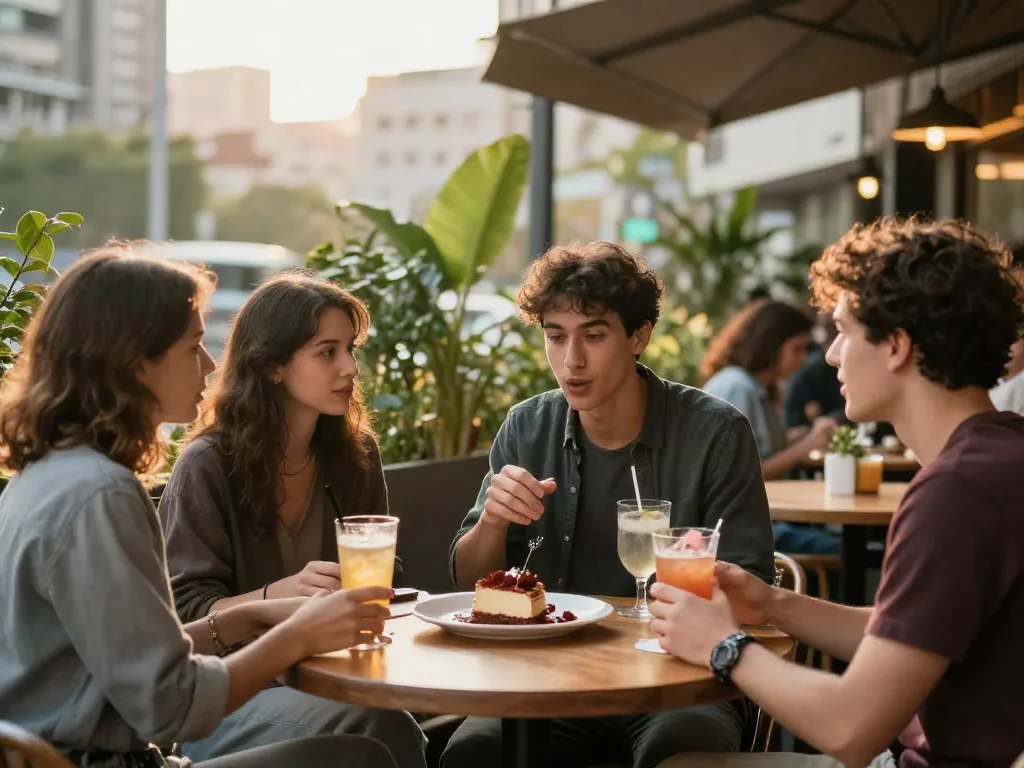
Understanding the Role of Community in Urban Settings
In an ever-evolving urban landscape, the importance of community cannot be overstated. Communities serve as the backbone of social interaction, providing individuals with a sense of belonging and support. As urban areas expand and diversify, the need for meaningful connections becomes increasingly crucial. The concept of community transcends mere geography; it embodies shared experiences, collective values, and the empowerment of individuals to engage actively with their surroundings. When exploring options, rokok88 provides comprehensive insights into how urban communities can thrive amidst these challenges.
What Makes Community Essential?
Communities are vital for several reasons. They foster relationships that are central to human existence, offering emotional support and practical assistance. A strong sense of community can lead to enhanced mental health, increased civic involvement, and improved overall wellbeing. Communities serve as a platform for individuals to express their identities and culture, enabling shared celebrations and the preservation of traditions.
- Social Support: Communities offer a network of support, helping individuals navigate personal challenges.
- Shared Resources: Access to communal resources such as parks, libraries, and local businesses enhances the quality of life.
- Collective Action: Communities can organize to address local issues, influencing policies and decision-making.
Challenges Urbanites Face in Building Connections
Despite the inherent benefits of community, urban residents often encounter significant barriers to forming connections. The fast pace of urban life can lead to isolation, as individuals may prioritize work over social interactions. Additionally, geographical mobility tends to disrupt established social networks, making it difficult for newcomers to engage meaningfully within their communities.
- Fast-Paced Living: Long work hours can limit opportunities for socializing.
- Geographical Mobility: Frequent relocations hinder the formation of lasting relationships.
- Cultural Differences: Diverse populations may struggle with communication and understanding across cultural lines.
Real-Life Examples of Successful Community Engagement
Successful community engagement initiatives demonstrate the power of collective action in urban settings. For example, numerous cities have adopted community gardens, which not only beautify neighborhoods but also encourage residents to connect with one another while growing food. Another example is the rise of pop-up events and markets that engage local artisans, fostering economic growth and community pride.
Such initiatives illustrate how strategic planning and grassroots efforts can rekindle community spirit, transforming urban environments into vibrant hubs of interaction and cooperation.
Exploring the Concept of rokok88 in Modern Culture
The intersection of modern culture and community engagement is vividly captured in the concept of rokok88. This emerging cultural phenomenon reflects the need for spaces where individuals can express themselves while forming connections with others. As consumer behaviors evolve, so too does the landscape of community building, influenced heavily by digital interactions and social media.
Defining rokok88: An Overview of Its Significance
At its core, rokok88 encapsulates a range of activities and interactions that promote connectivity among individuals in urban areas. It signifies a blend of social engagement and digital presence, where people gather both physically and virtually. The significance of rokok88 lies in its ability to adapt to the needs and preferences of contemporary society, facilitating connections that transcend traditional barriers.
- Inclusivity: rokok88 promotes inclusivity by offering various platforms for people from different backgrounds to come together.
- Innovation: The concept encourages innovative approaches to community engagement, such as technology-driven events and online collaborations.
- Accessibility: With a focus on digital interaction, rokok88 ensures that geographical limitations do not hinder participation.
rokok88 in Social Media and Influencer Culture
Social media has become a critical tool for fostering the rokok88 phenomenon. Platforms like Instagram and TikTok allow users to share their experiences, leading to greater visibility for community events and initiatives. Influencers play a significant role in shaping public perception and encouraging participation, often promoting local businesses and events that align with the rokok88 ethos.
This digital presence cultivates a sense of belonging and encourages interactions that might not have otherwise occurred in a bustling urban environment.
Case Studies of Successful rokok88 Engagements
Several case studies illustrate the successful implementation of rokok88 principles. One notable instance is the establishment of urban art festivals that invite local artists to showcase their work while engaging the community. These events not only enhance the local culture but also stimulate economic growth by drawing visitors to the area.
Additionally, initiatives like book clubs, workshops, and community fitness classes foster a culture of sharing and support, reinforcing the role of communal spaces in urban settings.
Best Practices for Fostering Urban Connections
To create a thriving community environment, urban planners and local leaders must adopt best practices that promote engagement and connectivity. These strategies ensure that individuals feel valued and connected, ultimately enhancing the fabric of the community.
Strategies for Meaningful Engagement
Meaningful engagement starts with understanding the unique needs of the community. Strategies such as conducting surveys and hosting focus groups can provide insight into what residents prioritize. Additionally, implementing inclusive practices that consider diverse populations fosters an environment where everyone feels welcome.
- Active Participation: Encourage residents to take an active role in community decisions.
- Collaborative Programs: Form partnerships with local organizations to enhance offerings.
- Regular Feedback: Establish feedback loops to keep community members informed and engaged.
Creating Inviting Spaces for Interaction
Physical spaces play a crucial role in fostering connections. Designing community centers, parks, and public areas that invite interaction can significantly boost social engagement. Thoughtful landscaping, seating arrangements, and accessible facilities encourage residents to spend time in these areas, which can lead to spontaneous interactions and collaboration.
Moreover, hosting regular community events can further enhance these spaces, providing opportunities for individuals to meet, share ideas, and collaborate on projects.
Utilizing Technology to Enhance Community Bonds
Technology can serve as a powerful tool for enhancing community bonds in urban environments. Utilizing apps and platforms that promote local events, volunteer opportunities, and group activities can streamline communication and engagement. By creating online forums or social networks dedicated to community interests, urbanites can maintain connections even when unable to meet in person.
These digital platforms help overcome physical barriers, ensuring that community members remain engaged and informed about ongoing initiatives and events.
Measuring Success: Metrics and Indicators
To gauge the effectiveness of community engagement initiatives, it is crucial to implement metrics and indicators of success. Understanding what constitutes success allows organizers to refine their approaches and maximize impact.
How to Gauge Engagement Effectively
Quantitative metrics such as attendance figures, social media engagement statistics, and survey responses provide valuable insights into community involvement. Qualitative measures, including personal testimonies and feedback from participants, offer a deeper understanding of the community's sentiments and strengths.
- Attendance Rates: Track the number of participants in events to assess interest levels.
- Social Media Engagement: Monitor likes, shares, and comments related to community initiatives.
- Feedback Surveys: Regularly distribute surveys to understand resident satisfaction and areas for improvement.
Feedback Mechanisms and Community Input
Establishing robust feedback mechanisms is essential for maintaining an open dialogue with community members. Regular town hall meetings, suggestion boxes, and online forums allow residents to voice their opinions and contribute to the decision-making process.
By actively seeking input, community leaders demonstrate their commitment to listening and responding to residents' needs, fostering a culture of transparency and trust.
Success Stories: Metrics from Real Initiatives
Highlighting success stories from various community initiatives can serve as inspiration and motivation for other urban areas. For instance, a neighborhood that implemented a community clean-up day saw a significant increase in volunteer participation, leading to improved public spaces and heightened community pride.
Additionally, data-driven analysis from social media campaigns can provide concrete examples of how engagement translates into positive outcomes, such as increased business for local shops or enhanced collaboration among residents.
Future Trends and Predictions for 2026
As we look toward the future, several trends are likely to shape community engagement and the concept of rokok88 in urban settings. Understanding these trends can help communities prepare for the challenges and opportunities ahead.
Emerging Practices in Community Building
Emerging practices such as hybrid events that blend in-person and virtual experiences will likely become more prevalent. These formats allow for greater flexibility and participation, ensuring that community events are accessible to a wider audience.
- Hybrid Events: Combining physical and digital formats to reach more residents.
- Interdisciplinary Approaches: Collaborating across sectors to address community challenges creatively.
- Personalization: Tailoring programs and initiatives to meet the specific needs of diverse groups.
How Global Events Shape Local Interactions
Global events, such as pandemics or climate change, will continue to influence local interactions. As communities adapt to these changes, innovative solutions and collaborations will emerge, emphasizing resilience and adaptability.
For instance, the recent shift toward remote work has highlighted the importance of local connections, as people seek ways to build relationships within their neighborhoods.
Innovations Influencing the Future of rokok88
Technological innovations, such as artificial intelligence and data analytics, will play a crucial role in shaping the future of rokok88. Communities will increasingly leverage technology to analyze engagement patterns, predict needs, and create targeted initiatives that resonate with residents.
Moreover, the integration of sustainable practices within community planning will be essential as urban areas strive to become more environmentally friendly while enhancing social interactions.
What is rokok88 and why is it important?
rokok88 serves as a cultural touchstone that symbolizes the significance of community engagement in urban settings. It highlights the ways in which individuals can come together, share experiences, and create lasting connections amidst the hustle and bustle of city life.
How can I engage more effectively in my community?
Effective engagement in your community begins with understanding the unique needs and preferences of those around you. Actively participating in events, volunteering, and reaching out to neighbors are great starting points to foster connection.
What role does social media play in urban interactions?
Social media acts as a powerful tool for facilitating connections and promoting local initiatives. It allows residents to stay informed, engage with one another, and share their experiences, ultimately enriching the community culture.
How can local businesses benefit from rokok88 connections?
Local businesses can leverage the concept of rokok88 to build relationships with residents and other businesses, fostering loyalty and support. By participating in community events and collaborating with local initiatives, businesses can increase their visibility and enhance their reputation.
What are the future trends in community engagement by 2026?
Trends such as hybrid events, personalized experiences, and a focus on sustainability will shape community engagement practices by 2026, ensuring that urban environments remain vibrant and connected.