
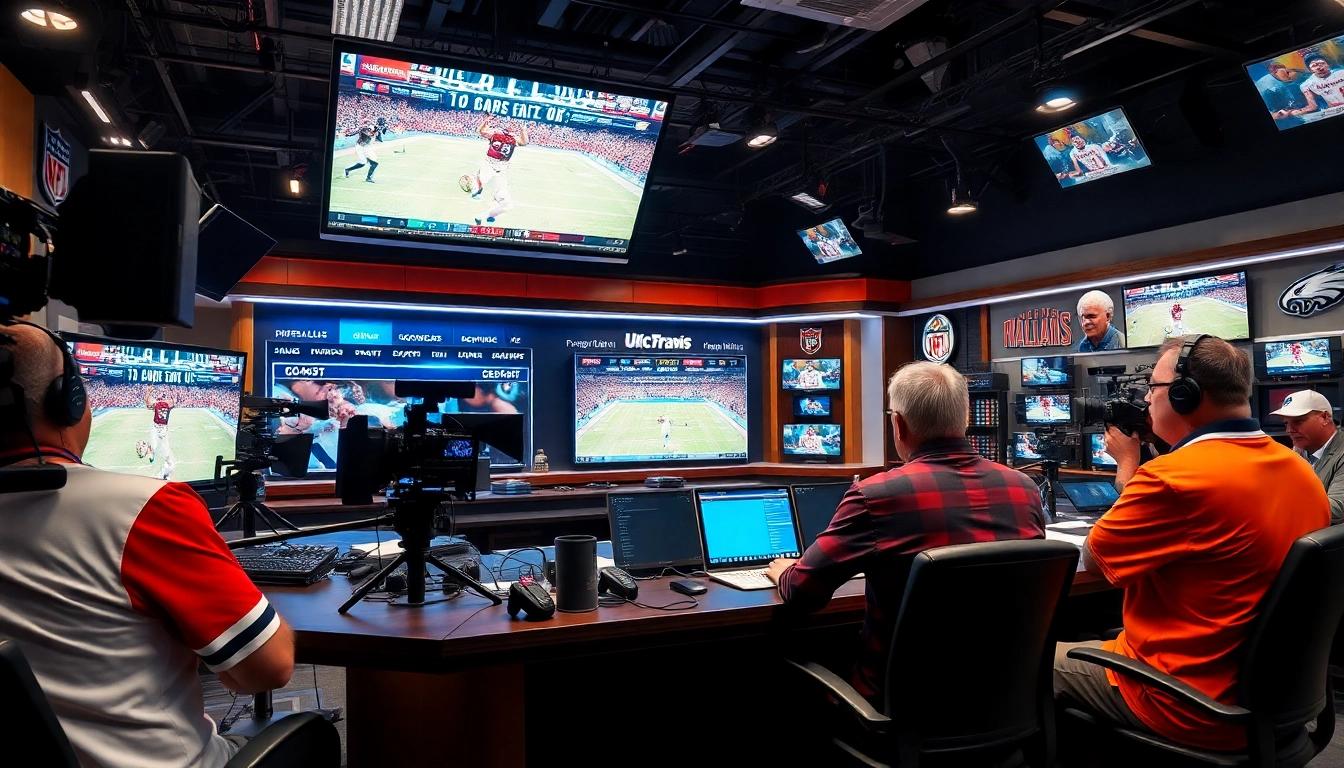
Understanding the Basics of Sports Broadcasting
Sports broadcasting serves as a vital link between sports events and audiences, mitigating physical barriers and ensuring fans stay connected with their favorite teams and players. Broadcasters play a pivotal role in disseminating live or recorded sports events through a variety of mediums, such as television, radio, and digital platforms. The advent of technology has drastically altered the landscape, allowing for real-time engagements and interactive experiences. This transformation underscores the importance of understanding the mechanics of Sports Broadcasting and its various components.
The Role of Sports Broadcasting in Modern Media
Sports broadcasting is not merely about displaying athletic events; it is an intricate craft that informs, entertains, and engages viewers. It has evolved into an influential segment of media that allows fans to experience events as if they were present. The role of broadcasters extends beyond just commentary; they are responsible for analysis, storytelling, and providing context to events. They create narratives that keep viewers invested and emotionally connected, significantly enhancing the viewing experience.
Key Technologies in Sports Broadcasting
The technological backbone of sports broadcasting encompasses various tools that facilitate high-quality transmission of audio and video. Key technologies include:
- Camera Systems: High-definition cameras and satellite systems capture and relay events with exceptional clarity.
- Editing Software: Tools like non-linear editing software support the seamless integration of graphics, replays, and highlights during broadcasts.
- Streaming Platforms: These are essential for online broadcasting, allowing fans to engage through smartphones and computers.
- Sound Engineering Tools: Quality microphones and audio control software ensure that commentary and ambient sounds enhance the viewing experience.
Different Types of Sports Broadcasting
Sports broadcasting can be categorized by various parameters, including format, medium, and audience preference. The main types include:
- Live Broadcasting: Direct coverage of events in real-time, often with commentary.
- Recorded Broadcasting: Matches and events that are shown after their live occurrences, typically with edited highlights.
- Digital Platforms: Use of apps and websites to stream events live and offer interactive content such as polls and viewer chats.
Challenges Faced in Sports Broadcasting
While sports broadcasting presents many opportunities, it is equally fraught with challenges that professionals must navigate adeptly.
Technical Issues and Solutions
Technical difficulties can disrupt broadcasts, including issues like equipment failure, poor transmission quality, or internet connectivity problems. To mitigate these challenges, broadcasters must invest in reliable equipment, conduct regular maintenance checks, and have contingency plans, such as backup power supplies or redundant systems.
Maintaining Audience Interest
Capturing and retaining viewer attention is an ongoing struggle. Factors like competing entertainment options and declining viewership rates can challenge broadcasters. To address this, broadcasters can enhance their content by including engaging segments, interactive features, and fan participation elements to keep audiences invested.
Legal and Ethical Considerations
Legal compliance, including licensing agreements and copyright laws, is crucial in sports broadcasting. Ensuring that all content is legally obtained and respecting intellectual property rights is imperative. Broadcasters must also adhere to ethical standards, providing unbiased coverage and avoiding sensationalism.
Best Practices for Effective Sports Broadcasting
To deliver compelling sports broadcasts, there are several best practices that enhance overall quality and viewer engagement.
Optimizing Broadcast Quality
The foundation of a successful broadcast lies in its quality. This involves using high-definition cameras, investing in quality audio equipment, and ensuring proper lighting. Regular training for broadcasters on utilizing technology optimally can also elevate production standards.
Engagement Techniques for Diverse Audiences
Connecting with audiences requires an understanding of their diverse preferences. Broadcasters can segment their audience by demographics, using tailored content that resonates with different groups. Techniques such as featuring local sports heroes or including multilingual commentary can enhance relatability.
Leveraging Social Media and Digital Platforms
Social media serves as a powerful tool for engagement. By creating shareable content and facilitating discussions and fan interactions, broadcasters can significantly enhance their reach. Integrating real-time polls, giveaways, and live Q&A sessions can further boost viewer participation and satisfaction.
Metrics for Measuring Success in Sports Broadcasting
Understanding how to measure broadcasting success is vital for continuous improvement and strategic planning.
Key Performance Indicators to Track
Key Performance Indicators (KPIs) provide quantifiable measurements that can help broadcasters gauge their performance. Important KPIs include:
- Viewer Ratings: Measuring how many people are watching live broadcasts versus recorded viewings.
- Engagement Metrics: Tracking social media interactions, shares, and comments during broadcasts.
- Retention Rates: Evaluating how long viewers stay tuned in to a program.
Analyzing Audience Feedback
Audience feedback is invaluable for gauging the effectiveness of broadcasts. Implementing survey tools to collect viewer opinions and reviewing online comments can provide actionable insights for future improvements.
Utilizing Data Analytics for Future Improvements
Data analytics plays a crucial role in understanding audience preferences and predicting future trends. By mining data from various sources, broadcasters can develop content that resonates better with their target audience, leading to more engaged viewers.
Innovative Trends Shaping the Future of Sports Broadcasting
The sports broadcasting landscape is continuously evolving, driven by technological advancements and changing viewer preferences.
Virtual and Augmented Reality in Broadcasting
Virtual and augmented reality offer immersive experiences that traditional broadcasting cannot replicate. By integrating these technologies, broadcasters can provide viewers with interactive viewing experiences, such as virtual stadium tours and enhanced game analyses, creating an engaging environment that sets them apart.
Interactive Broadcasting Techniques
Interactive broadcasts, where viewers can influence the content in real-time (like selecting camera angles), are gaining popularity. These techniques foster a personalized viewing experience, allowing fans to engage on a deeper level. Broadcasters must find effective ways to implement this technology without overwhelming the audience.
The Impact of AI and Automation
Artificial intelligence (AI) is revolutionizing sports broadcasting through automation, data analytics, and enhanced storytelling. AI technologies can help with predictive analytics for viewer engagement, automate production processes, and even provide real-time player and game statistics during broadcasts, enriching viewer information and experiences.
Frequently Asked Questions
What is sports broadcasting?
Sports broadcasting refers to the dissemination of live or recorded sports events via television, radio, or online platforms, aiming to inform and entertain viewers.
What technologies are essential in sports broadcasting?
Essential technologies include cameras, microphones, broadcasting software, and streaming platforms that enable high-quality video and audio transmission.
How can audience engagement be enhanced in sports broadcasting?
Engagement can be improved through interactive content, social media integration, and addressing viewer preferences during broadcasts.
What are common challenges in sports broadcasting?
Common challenges include technical difficulties, maintaining viewer interest, and adhering to legal and broadcasting regulations.
What metrics are used to measure sports broadcasting success?
Key metrics include viewer ratings, online engagement, social media interactions, and audience feedback to assess the effectiveness of broadcasts.